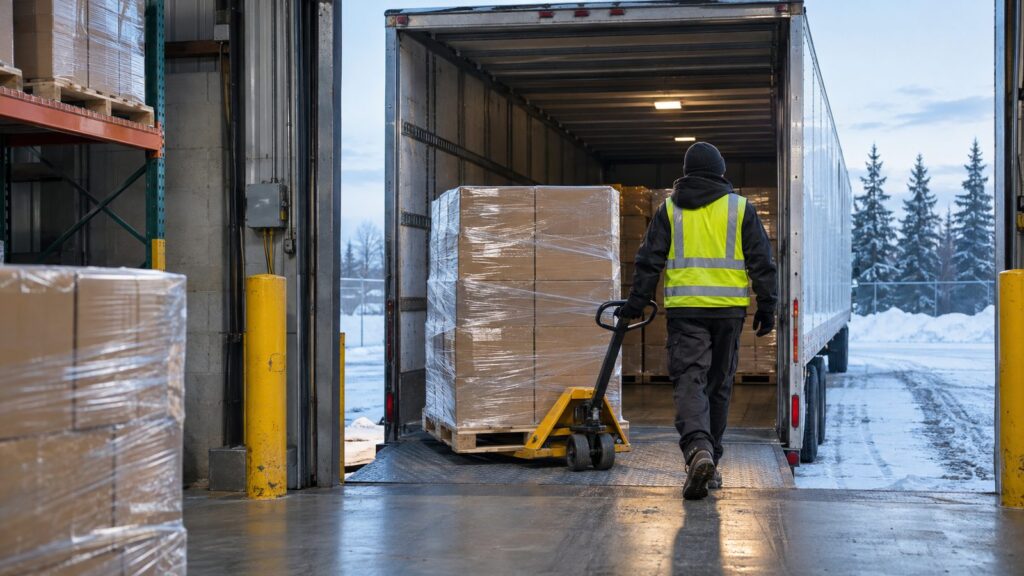
The importer of record in Canada is the business the Canada Border Services Agency (CBSA) holds responsible for a shipment. It’s the name on the customs accounting and the business that owes the duty and GST. When a foreign wholesaler sells to a Canadian retailer or distributor, the shipping terms usually decide who that is. Sell ex works, FCA or DAP and your Canadian customer is normally the importer. Sell delivered duty paid (DDP) and the job is yours, which turns your company into a non-resident importer, with its own CARM account and GST/HST registration to sort out.
Who your Canadian buyer expects to be the importer
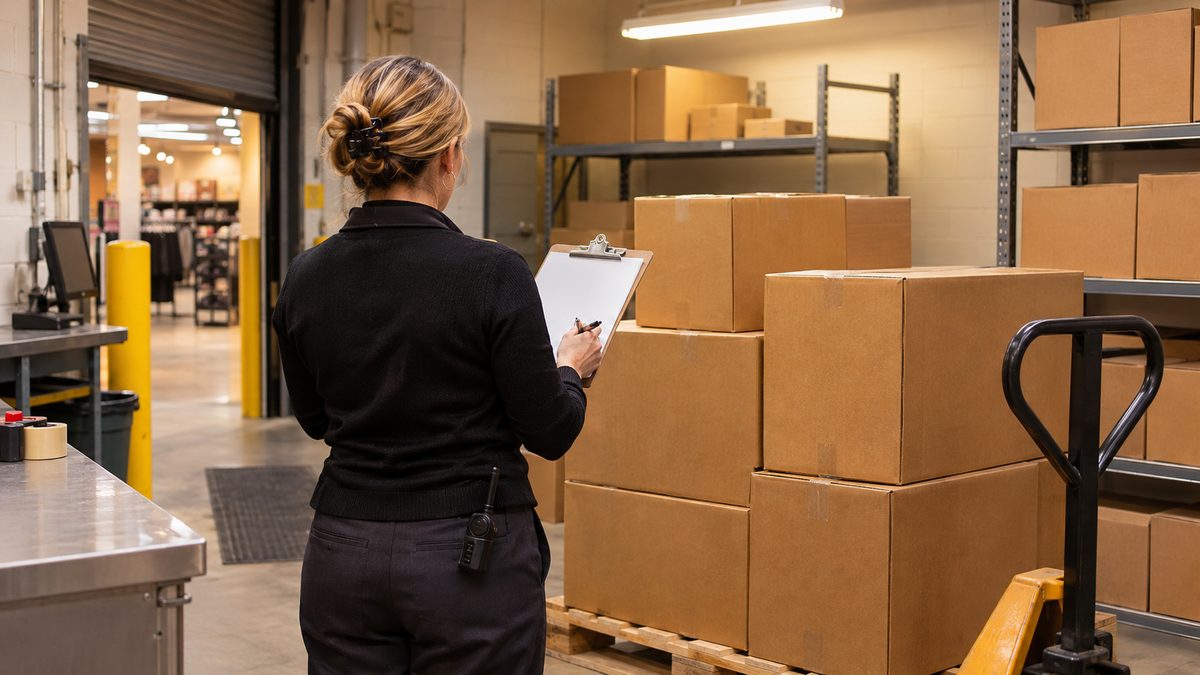
Plenty of Canadian distributors and retailers import every week. They already have a business number, a CARM Client Portal account, a customs broker and a GST/HST registration, so buying from you on FCA or DAP terms costs them very little. They pay the 5% GST at the border and claim it straight back as an input tax credit.
Smaller buyers often want the opposite. A shop that has never cleared a shipment wants a landed price and a delivery with nothing owing, and some larger accounts write DDP into their vendor terms. In our experience the wholesalers who win those accounts are the ones who can say yes to DDP without improvising.
Whichever way you go, make sure the quote matches how the goods actually clear. If your quote says DDP but the carrier clears the goods in your buyer’s name, your buyer gets a duty and brokerage bill for an order it thought was landed, and you get the phone call.
When your Canadian customer is the importer

This is the light option for you. Your buyer accounts for the goods with the CBSA and pays the duty and GST. The customs records are theirs to keep, too. Your job is an accurate commercial invoice and, if the goods qualify under CUSMA or another trade agreement, the origin paperwork your buyer needs to claim the preferential duty rate.
If you aren’t registered for GST/HST and aren’t carrying on business in Canada, you don’t charge Canadian tax on these sales. The GST is collected from your buyer at the border instead. The price on your invoice is normally the starting point for the value for duty, because your buyer is a purchaser in Canada buying directly from you.
What you give up is control. A clearance delay on your buyer’s side still lands on your relationship, and some accounts simply won’t buy this way.
What changes when you sell delivered duty paid

Under DDP your company is normally the importer, and the CBSA treats a foreign importer much like a Canadian one. You need a business number from the Canada Revenue Agency, then an import-export (RM) account added in the CARM Client Portal. Since May 20, 2025 a broker’s security no longer covers its clients, so release before payment means posting your own financial security. And since the end of 2025 a broker can’t clear your commercial goods on its own business number while you finish registering (Customs Notice 24-27). Our non-resident importer setup guide covers each step.
The GST/HST side is where DDP pays off or doesn’t. Most goods you import carry 5% GST at the border. If you’re registered, you charge GST/HST on your invoice to the Canadian buyer at the rate for the province you deliver to and claim the border GST back as an input tax credit. Your buyer claims the tax on your invoice the same way. Across the chain the tax nets to zero, which is how domestic wholesale works in Canada.
If you’re not registered, the border GST is a cost you can’t recover and can’t put on your invoice. On a duty-free shipment valued at $50,000, that’s $2,500 gone.
The CRA lets a non-resident that regularly solicits orders for goods delivered to Canada register even when it isn’t carrying on business here, and for a DDP wholesaler that’s usually the right call from the first shipment. For a non-resident without a permanent establishment in Canada, registration comes with a security deposit, generally 50% of estimated net tax, with a $5,000 minimum and a $1 million maximum. It’s waived when your taxable sales in Canada are $100,000 or less a year and your net tax stays within $3,000 either way. Our guides to GST registration for non-residents and the non-resident security deposit explain both.
The valuation trap on pre-sold DDP shipments

This is the one we see missed most often.
The main way the CBSA values imports, the transaction value method, starts from a sale for export to a purchaser in Canada. Under CBSA Memorandum D13-1-3, a non-resident with no permanent establishment here generally only counts as a purchaser in Canada if it imports goods for its own use or on speculation, meaning no Canadian buyer is lined up before the goods arrive. When you’ve already agreed to sell the shipment to a Canadian retailer before it crosses the border, the CBSA looks to that sale. Your value for duty starts from your wholesale price to the retailer, not what you paid your factory.
Say your goods carry 8% duty, cost you $60 a unit and are pre-sold at $100. Declaring the $60 can underpay duty on up to $40 of value per unit (up to $3.20 each, before allowable deductions for things like Canadian freight and the duty itself), and the import GST is calculated on the same understated base. That’s the kind of gap a CBSA verification reassesses, with interest and possible penalties, across every shipment it covers.
Duty-free goods aren’t immune either, since the GST base still moves, though a registered importer recovers that GST anyway. The CBSA proposed amendments to these valuation rules in 2023. They weren’t in force as of November 2026, so plan your DDP pricing on the rules as they stand.
Where your import records have to live

As the importer you keep the records of each importation for six years following the importation, and CBSA Memorandum D17-1-21 sets the location. The default is a place of business in Canada. Under the CBSA’s current policy the alternatives are the United States or Mexico with CBSA approval, or an agent in Canada who holds the records under an agreement called the BSF900.
That last route is the one wholesalers in Europe and Asia end up on. Under that policy a manufacturer in Sweden or Thailand can’t keep its CBSA records at head office, and since May 13, 2024 an importer that needs a BSF900 doesn’t get its import-export account until the agreement is approved. Sort it out before you quote your first DDP order.
That’s the service we built for non-resident importers. We prepare the BSF900 and the engagement letter, you sign them and upload them in your own CARM Client Portal account, and our CBSA books and records service holds your import records in Canada for the six years.
Frequently asked questions
Can a foreign company be the importer of record in Canada?
Yes. A business with no Canadian presence can import as a non-resident importer. It needs a business number from the CRA, an import-export account in the CARM Client Portal, its own financial security if it wants release before payment, and a CBSA-approved location for its books and records. It doesn’t need a Canadian company.
Is the consignee the same as the importer of record?
Not always. The consignee is the business the goods are delivered to. The importer is the business accounting for them with the CBSA. In a DDP sale to a Canadian store, the store is usually the consignee and your company is the importer.
Do I need to register for GST/HST to sell DDP into Canada?
Registration is what lets you charge GST/HST to your Canadian buyer and recover the 5% GST you pay at the border. The requirement to register turns on whether you’re carrying on business in Canada. If you are, the $30,000 small supplier threshold is measured on your worldwide taxable sales, including associated businesses, in a single calendar quarter or over four consecutive quarters, so most established wholesalers are over it. DDP wholesalers usually register from the first shipment because the border GST starts right away.
Does the valuation rule apply if my Canadian buyer is the importer?
Not in the same way. When your buyer imports, it’s the purchaser in Canada and your sale to it is normally the basis for the value for duty. The pre-sold trap only bites when you import goods you’ve already sold to someone in Canada.
Related guides
- Non-resident importer to Canada: the complete setup guide
- Selling to Canadian customers from the US or overseas
- GST registration for non-residents
- Canadian records custodian for importers
- CBSA books and records custodian service for non-resident importers
Weighing DDP for your Canadian accounts?
Tell us where you ship from and how your Canadian buyers want to be quoted. We’ll tell you who should be the importer and what the CBSA and the CRA need from you before your first DDP shipment. Send us a short note about your business.
Related guides
- Selling to Canadian Customers From the US or Overseas: Duties, GST/HST and CARM for DTC Brands (2026)
- CARM for Non-Resident Importers: Order Your CBSA Records Custodian Online, Usually Ready Within One Business Day
- FedEx or UPS Told You to Register for CARM? What a Non-Resident Importer Actually Has to Do
Get the tax side right the first time.
We work with e-commerce and owner-managed businesses across Canada and beyond: GST/HST and provincial sales tax, corporate structure, income splitting, and non-resident compliance. Tell us your situation and we will tell you exactly what you need.
Get in touch